
Data-driven Analysis and Design of Materials
Welcome to the chair for Data-driven Analysis and Design of Materials at the Faculty of Mechanical Engineering and Marine Technologies at the University of Rostock.
Our research includes the analysis of materials' morphologies and structures using high-resolution X-ray techniques. To this end, we develop automated workflows for image processing based in part on deep learning approaches. Additionally, we develop models for predicting material behavior. Our research is focused on biomaterials, and we are highly interested in applying our methodologies to other material classes and research questions.
News
Long Night of Science 2026
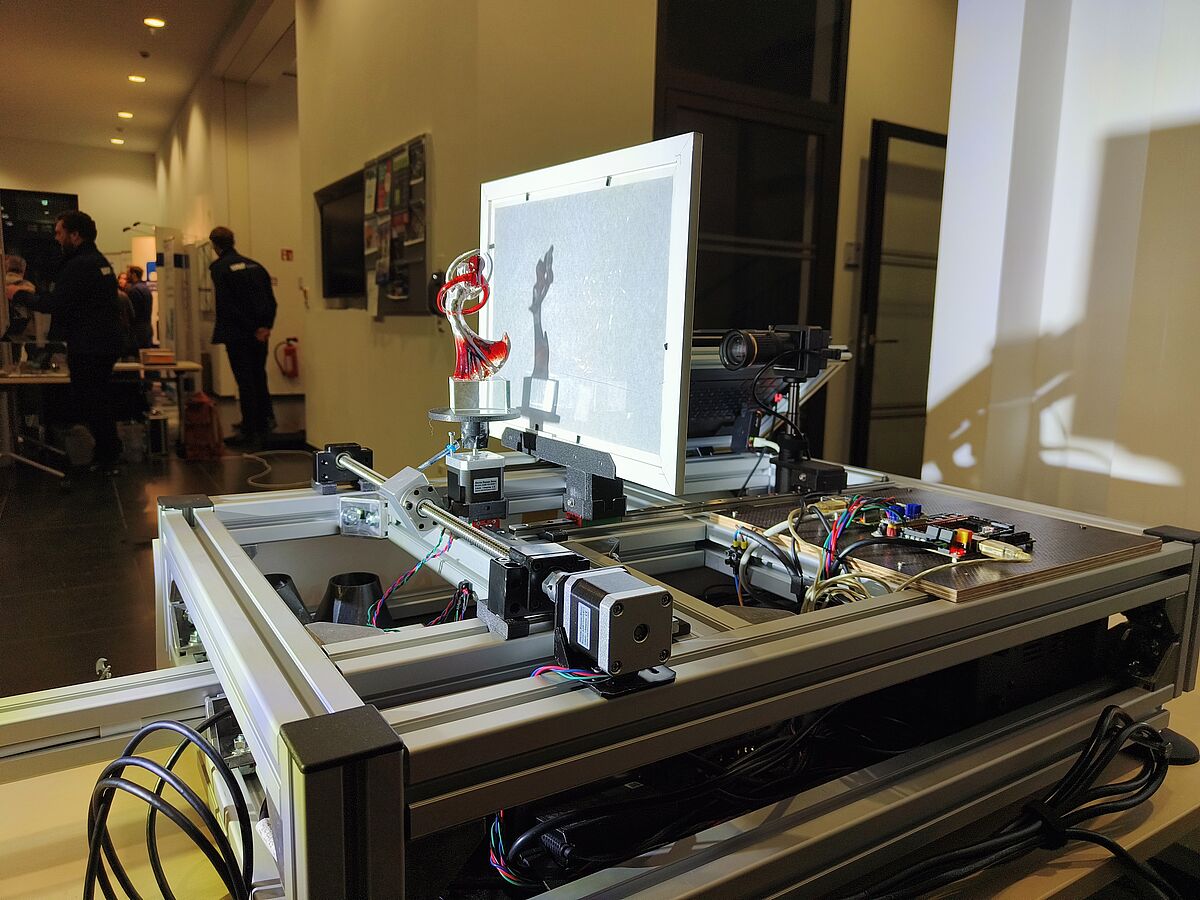
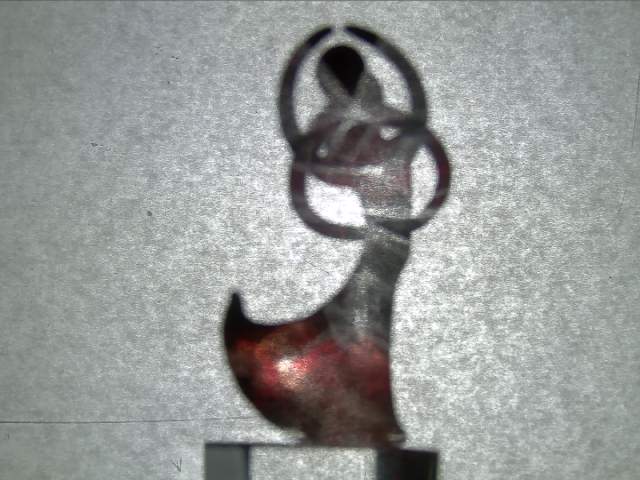
This year, we are once again delighted to be participating in the Long Night of Science on April 23, 2026, in the foyer of the Life, Light, and Matter research building at Albert-Einstein-Str. 25. We will be introducing visitors to the world of computed tomography with our light CT demonstrator and bringing shadow images to life. Find out more here.
AI MSE 2025 in Bochum
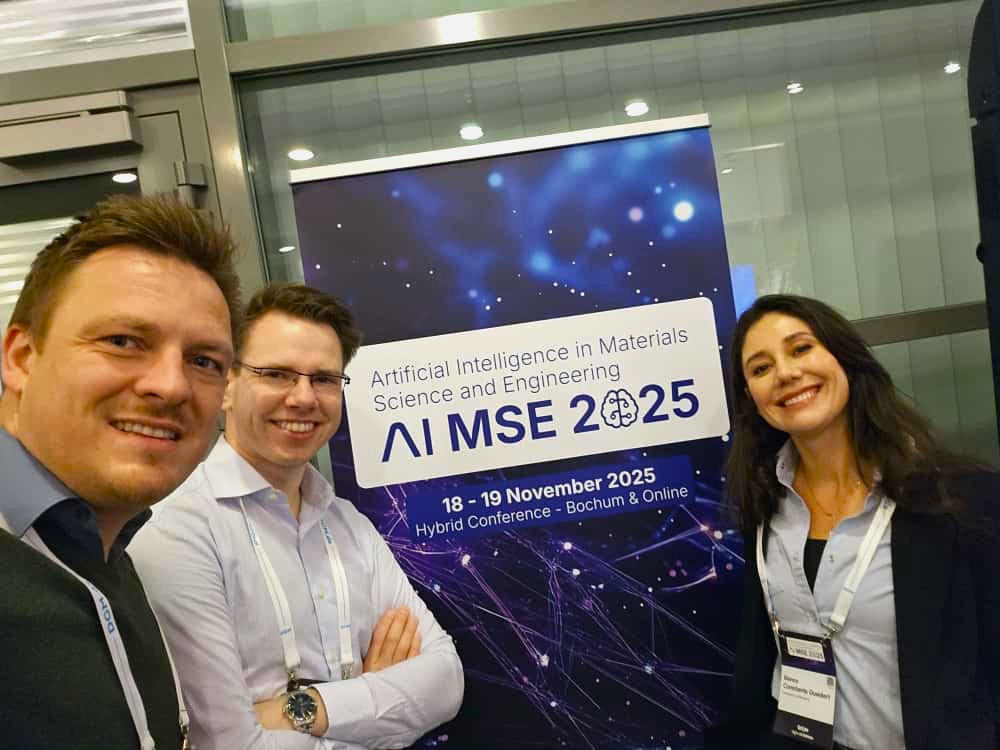
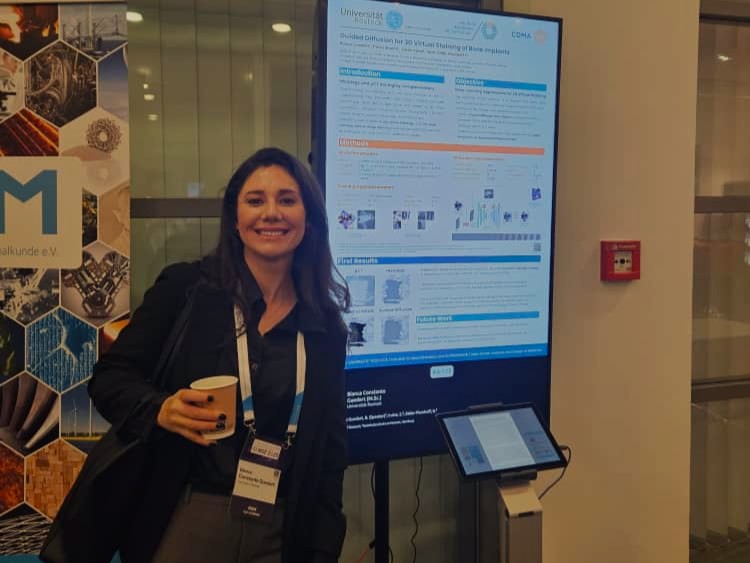
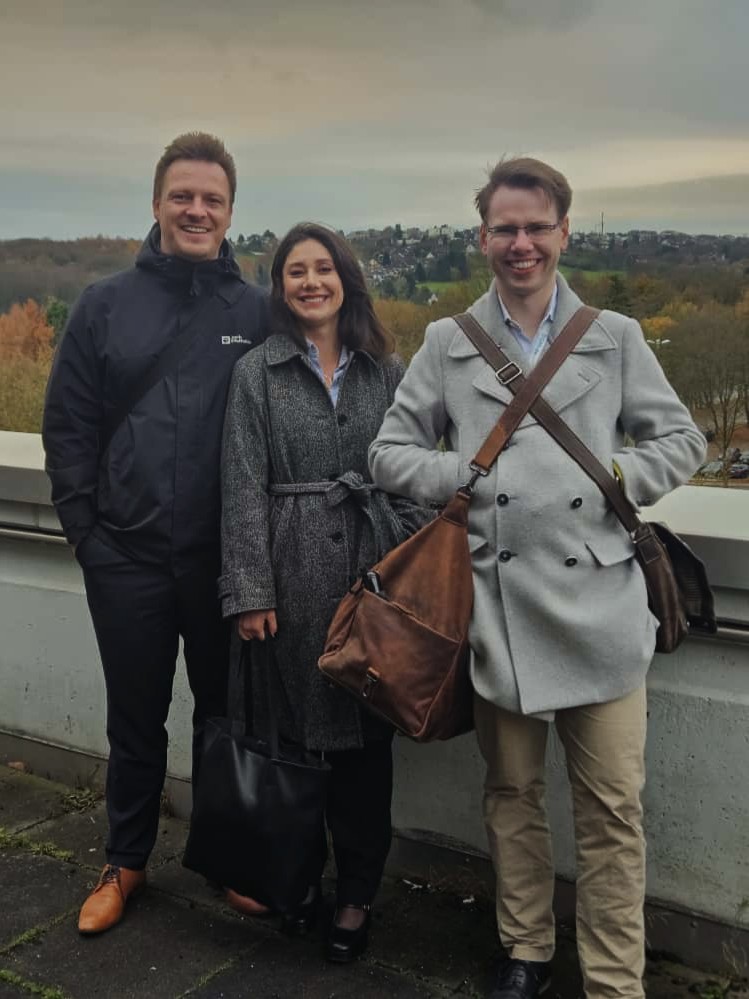
This week, Bianca, Carsten, and Malte visited Bochum to partake in the AI MSE 2025 conference on AI in materials science, organized by DGM. With only two days, it was a comparatively short conference, but that does not mean that they compromised on content! From superresolution computed tomography over anomality detection in laser powder bed fusion to best practices in research data management, the current landscape in this comparatively new field was comprehensively displayed. And Bianca even contributed her own work in the form of a poster and co-authorship in the talk by Sarah Irvine. It was a great experience, and the team is very excited to implement the new insights into their own work!
Beamtime at DESY
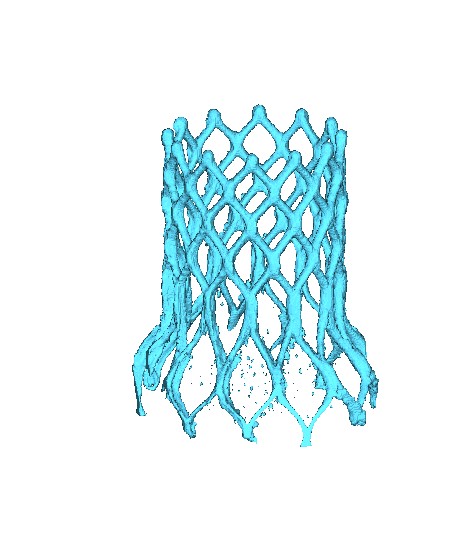
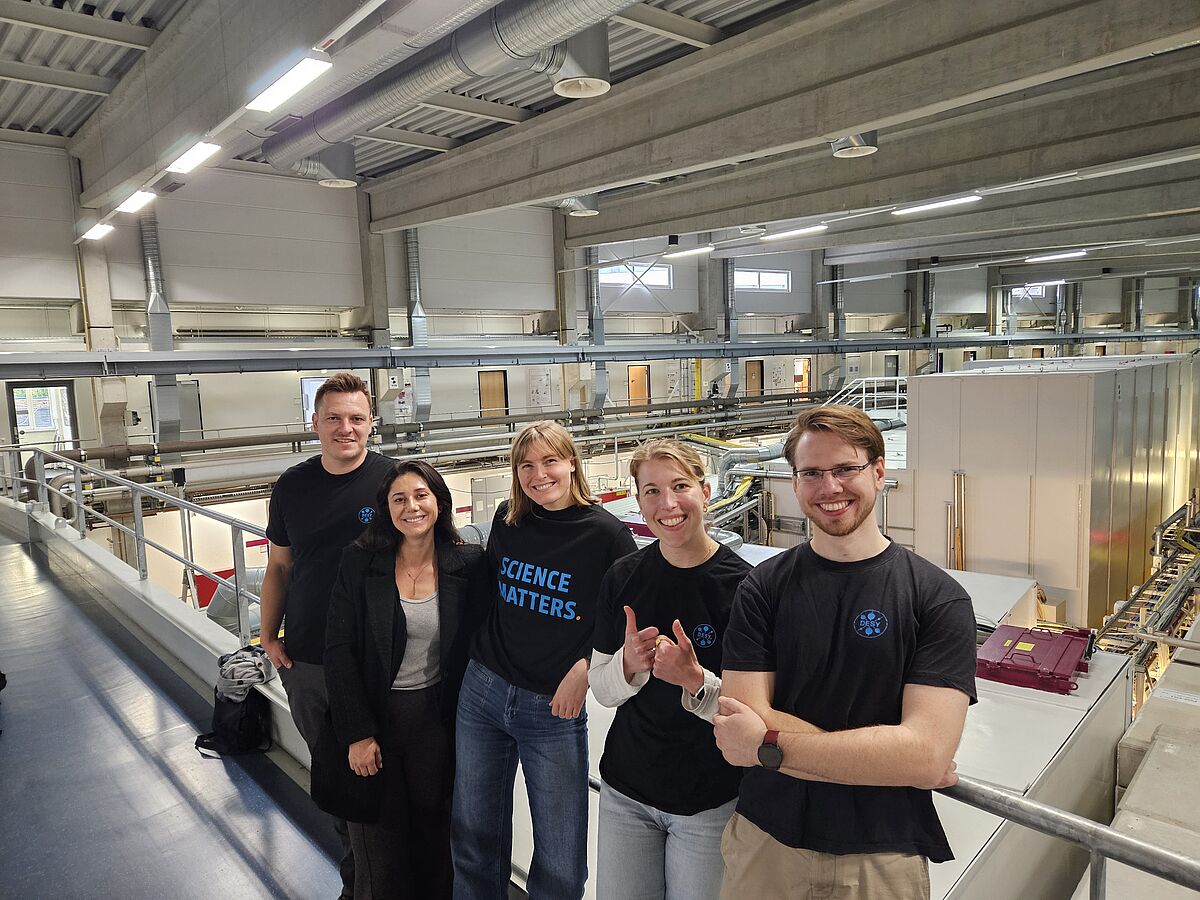
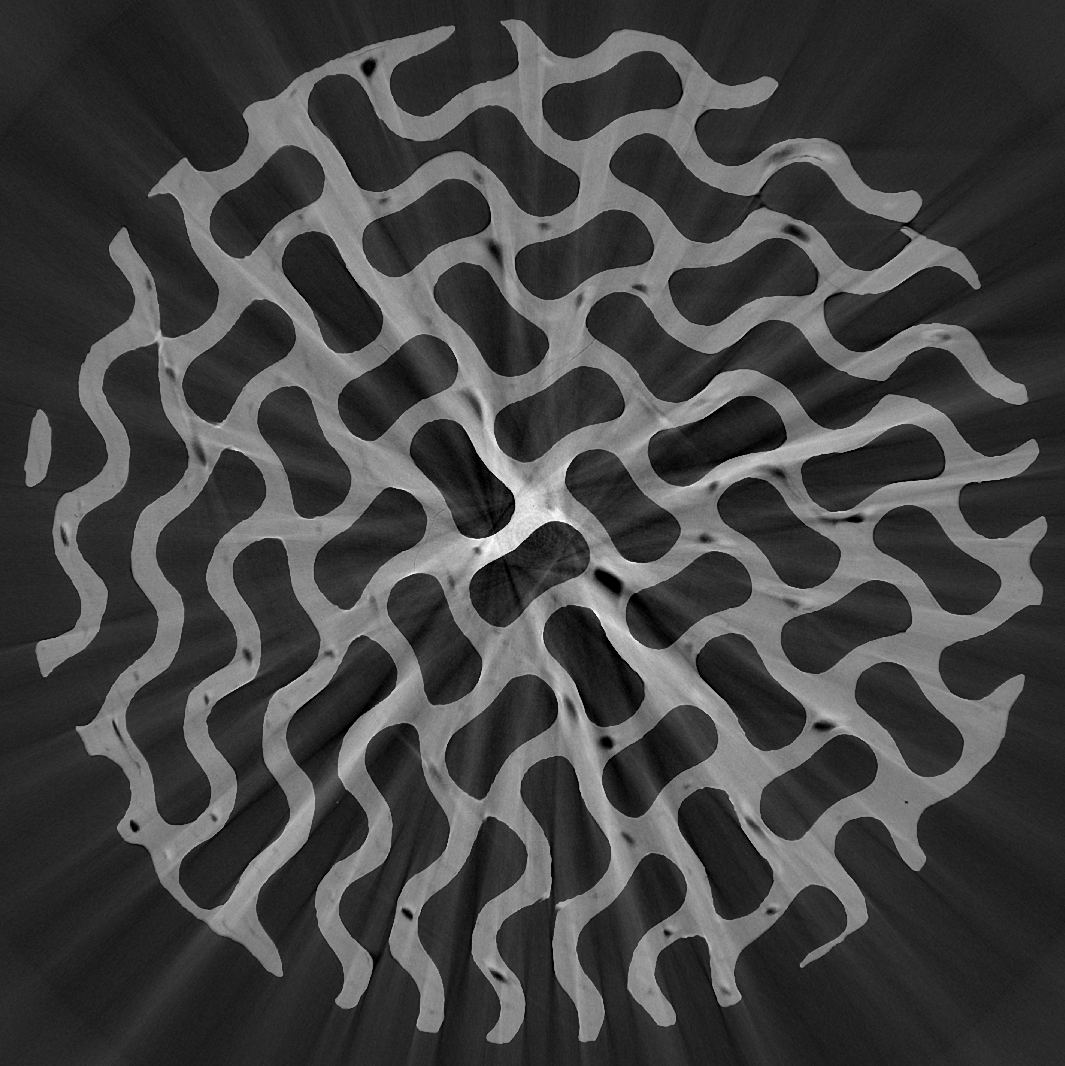
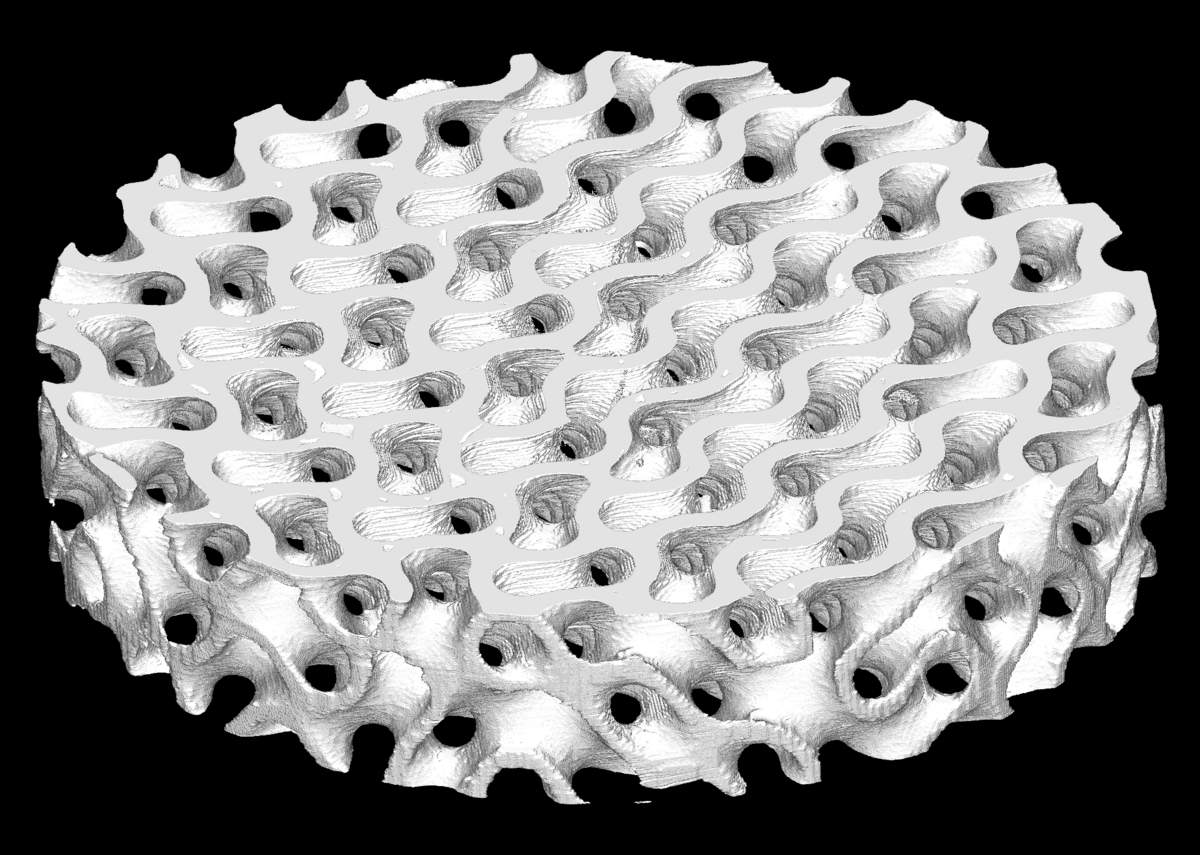
The last beamtime at the German Electron Synchrotron (DESY) was a complete success: Bianca, Wiebke, Carsten, Malte, and Berit used high-brilliance X-ray radiation to illuminate various samples in order to create high-resolution, three-dimensional images. The samples came from, among others, the Institute of Metallic Biomaterials at the Helmholtz-Zentrum Hereon, the Chair of Structural Mechanics and the Institute of Cell Biology at the University of Rostock, as well as the University Medical Center Rostock. The goal was to gain insight into the internal structure of the samples and thus to establish a better understanding of the interplay between form and function. We are pleased that this cooperation worked out so well, thank the beamline scientists once again for their support, and are already excited to see what further results the measurements will produce!
Scaffold: Christian Polley
Rostock University GitLab Award
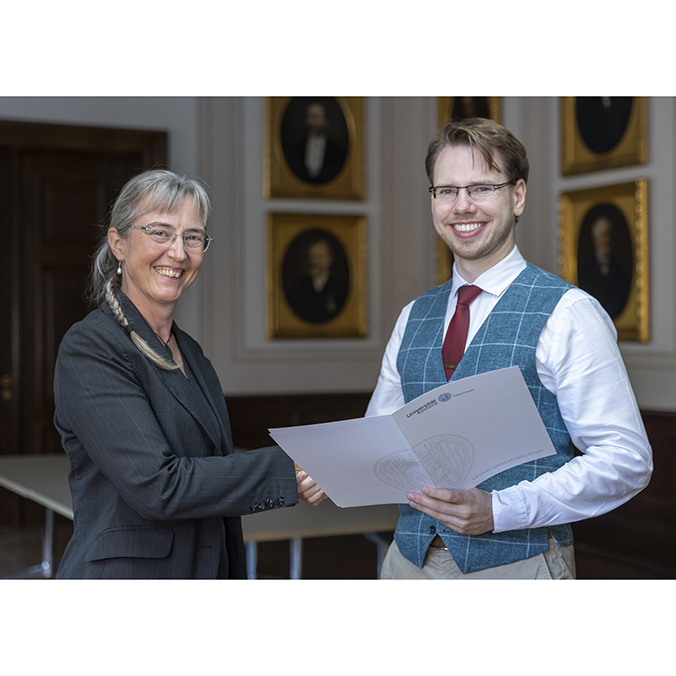
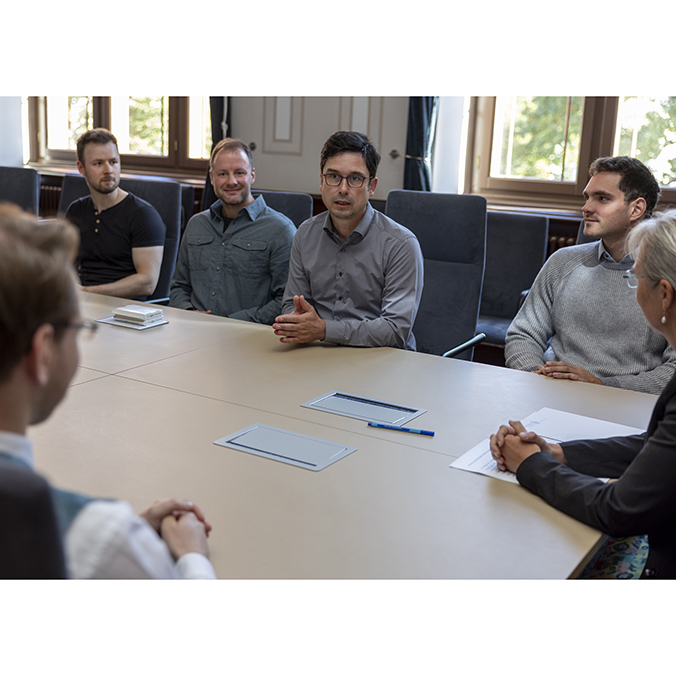
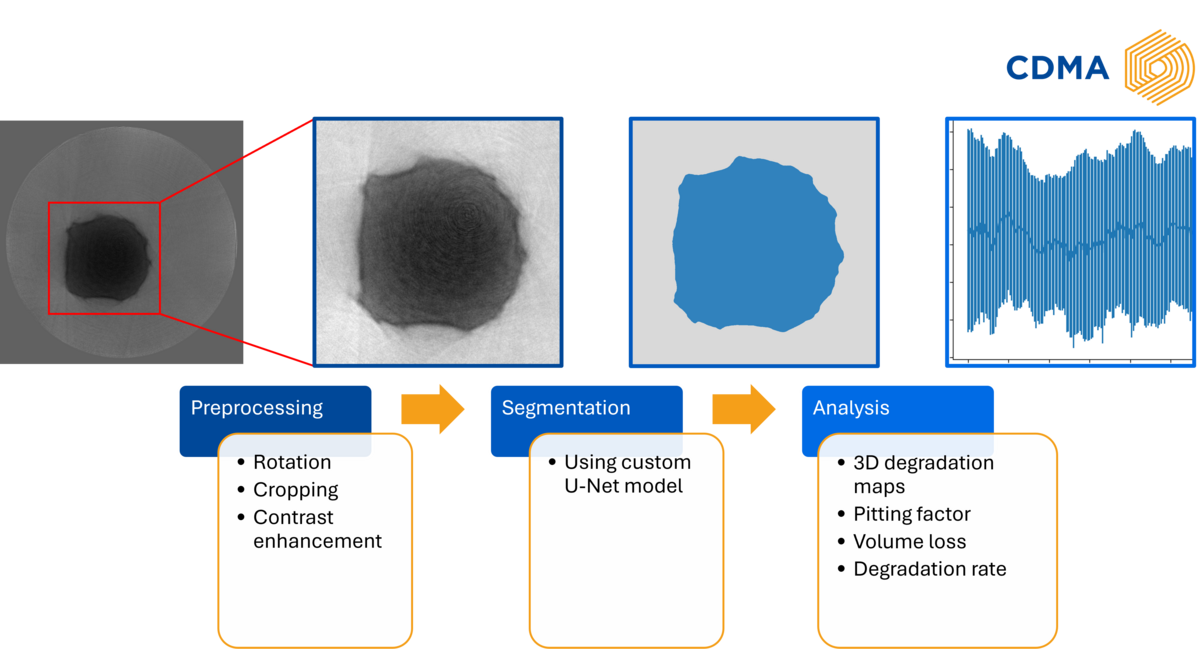
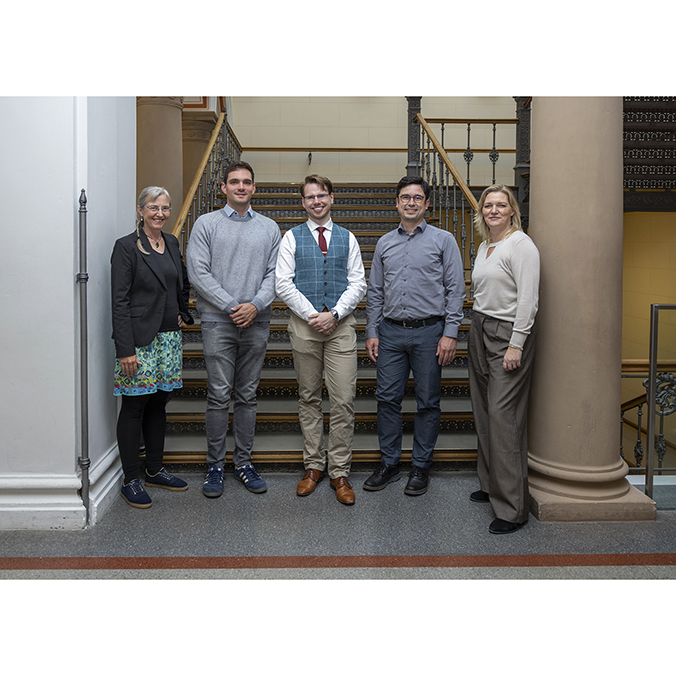
Malte took second place in this year's GitLab competition at the University of Rostock. His project is "wireanalyzer," a Python library for the automatic analysis of CT scans from in-situ degradation experiments. The project was a collaboration with the Institute of Metallic Biomaterials at the Helmholtz-Zentrum Hereon, which collected the underlying data. We extend our warmest congratulations on this success and are delighted that it sets an important example for reproducible data workflows in the spirit of FAIR research data management.
Images: Thomas Rahr / University of Rostock